You want to relish the toasty summer weather in your carefully curated summer garden, but pests can quickly take over and call your summer garden their home. Fortunately, you can protect your blooms, new-growth leaves, and family with organic pest control methods. Once you know the bugs that are the most common in your area, the next step is figuring out what’s most effective at keeping the hungry critters away.
Most common types of garden pests
Aphids: Aphids are small, usually white insects that suction sap out of plants, says Good Housekeeping. At their largest, they’re less than ¼ inches in length. They can also be yellow, brown, light brown, gray, or green. Aphids prefer new growth, so keep an eye out on flower and fruit buds, young stems, new leaves, and even roots.
Japanese beetles and bean beetles: Where you see a Japanese beetle, a Mexican bean beetle may also be nearby. Japanese beetles have brown wings and an iridescent yellow-green body with black legs. On average, adults are 0.5 inches long. You’ll know you have a Japanese beetle infestation if all that’s left on your plants are leaf veins. They’re also not picky — they’ll take trees, decorative plants, and flowers.
On the other hand, you might mistake the Mexican bean beetle for a yellow-orange ladybug that’s around ⅓ inches long. They prefer chewing on legume leaves, so keep a careful eye on your pea vines.
Thrips: These tiny, almost translucent bugs are very active in the summer. You’ll find them on vegetable plants, greenhouse plants, and flowers. Since each adult thrip can lay about 80 eggs that hatch in warm weather, they need to be controlled quickly to prevent plant disease.
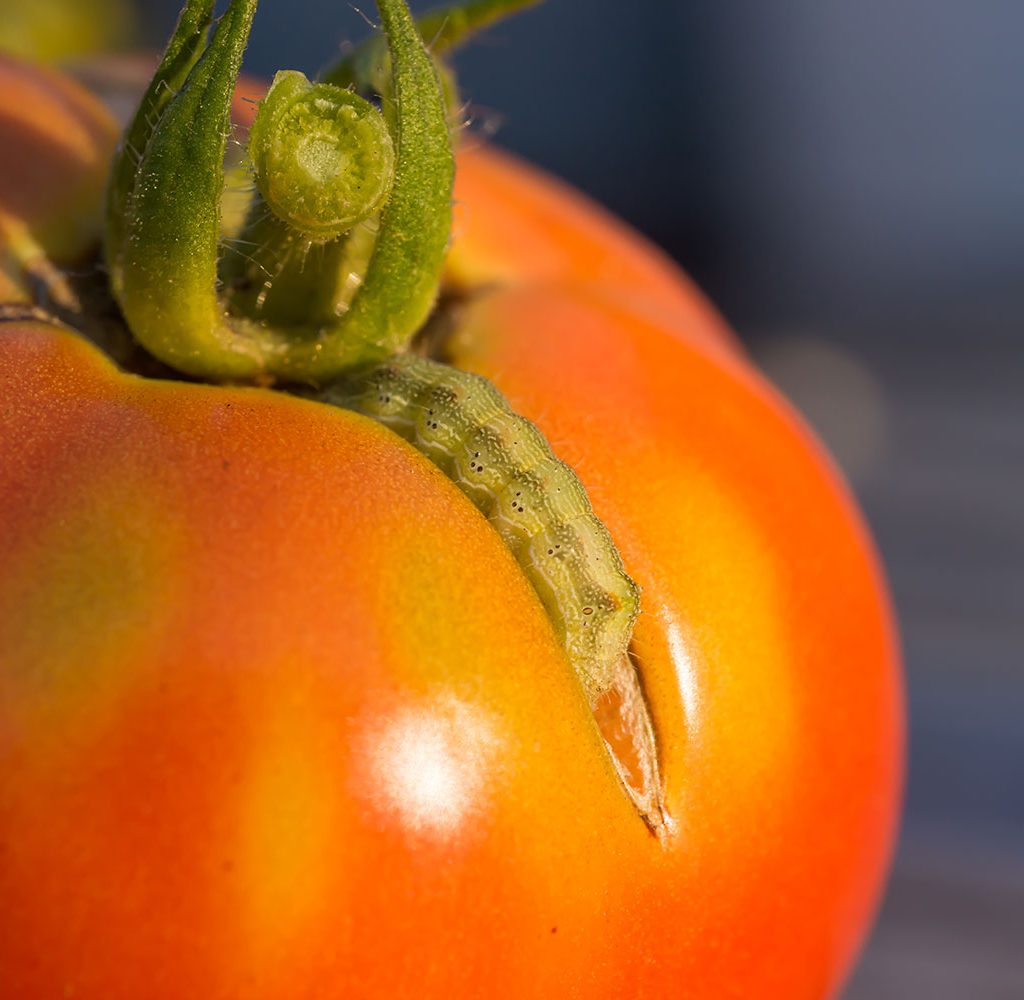
Tomato moths: Despite their name, tomato moths also like eggplants, potatoes, and peppers. They don’t stop at produce, either: They also love leaves. The caterpillars measure around 4 inches long and turn into moths.
Bagworms: Bagworms are bad news for evergreen bushes and trees, says HGTV. The larva bag attaches itself to the plant or tree and feeds on the plant’s nutrients until it transforms into a moth. Their bags are about two inches long and are disguised as dried evergreen leaves hanging off of branches. Bagworms will eat new growth and much of the tree or bush, so it’s best to stop these small, unwanted occupants as early as possible.
Ants: There are hundreds of ant species in the U.S. alone, and most of them are active during warm weather. Common summer ants are carpenter ants, house ants, small black ants, and fire ants. Carpenter ants chew through wood, so home foundations and wooden structures like patio decks should be protected at all costs.
Most pernicious pests by region
Though there is some overlap, common garden pests may vary by region. This table includes the pests you may find in a particular region.
| Region | Common garden pests |
| Northeast | Japanese beetles, bean beetles |
| Southeast | Bagworms, squash bug, vine borer |
| Midwest | Ants, squash bugs, slugs, Japanese beetle |
| Southwest | Bean Beetle, fire ants, carpenter ants, bagworms, house ants, tomato moths |
| West | Aphids, slugs |
How to control pests organically
Biocontrol: You may purchase predatory insects, like certain species of mites, to eat harmful insects. You may also set up bird baths or bird feeders to attract species that feed on insects.
Sprays: There are countless safe, chemical-free sprays you can make at home to ward off insects. These include peppermint oil sprays, neem oil sprays, apple cider vinegar solutions, cayenne pepper sprays, and even lavender sprays. Each spray will work on specific plants and insects. Garlic is another natural, efficient way of keeping bugs away.
You may also use a solution of dish soap and water to help plants that might already be infested with Japanese beetles. Since they’re especially active in the morning, it’s best to get up ready to catch morning beetles and place them in a container of soapy water. If you have a large infestation, consider spraying your lawn with this solution. This makes beetle larva come up to the surface and prevents them from hatching into full-grown, adult beetles.
Diatomaceous earth: This naturally-occurring mineral is ground to powder and is commonly used to keep ants away from your home. It’s safe enough to be used as a dietary supplement, so it’s safe to use around pets and children.
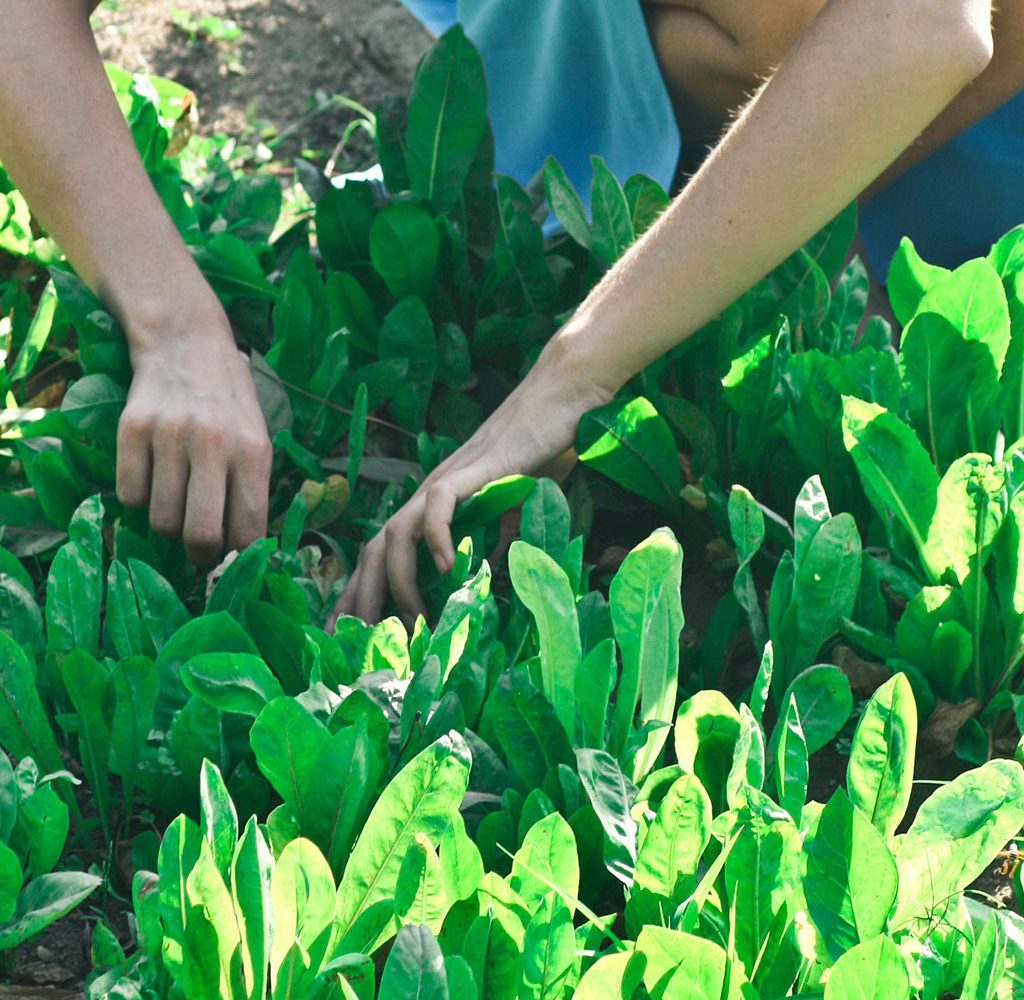
By hand: Some pests, such as worms and slugs, can simply be picked off by hand.
Other options: Beyond the options above, there are organic pesticides that are naturally derived. Leaves and other extracts may be used for insect removal.
Lush gardens in the summer are also rife with animal life. While most insects are harmless, some garden pests can damage your vegetable garden, flower beds, trees, shrubs, or greenhouse seedlings. Although there are many insecticides commonly sold in stores, there are plenty of organic ways to control local insects in your summer garden. Armed with this knowledge and lots of patience, you can keep your green sanctuary insect-free.