If you’re looking to up your home security, you’re likely well-acquainted with all of the different ways to install it. You can install your own cameras and lighting fixtures, purchase a monitoring system, or lease the equipment for short-term use. Your method depends on your budget and your home’s needs, so keep reading to learn more about the best way to purchase and install your home’s security system.
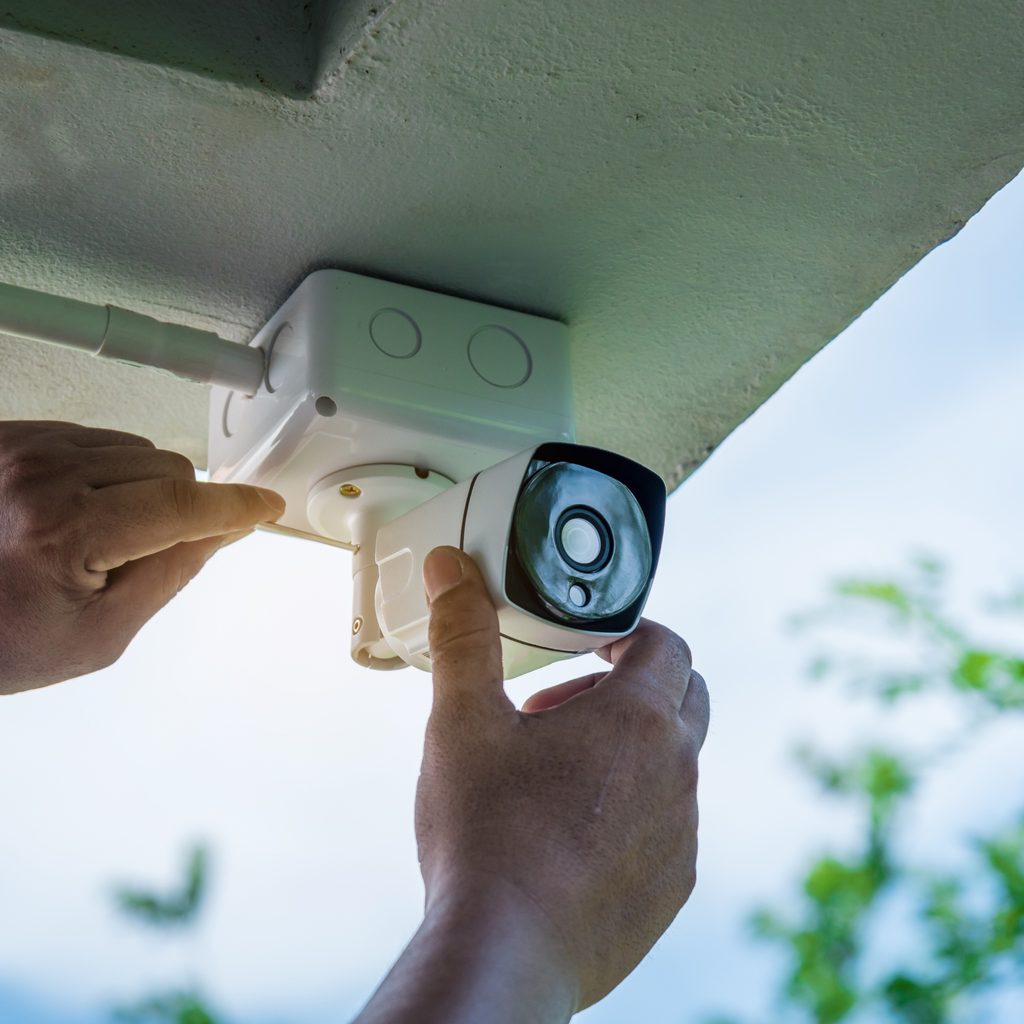
DIY home security system
Whether you purchase a full system from a security company and install the components yourself or purchase the individual components a la carte, taking matters into your own hands is far less expensive since you won’t have to pay for the labor costs of installation. You can also customize your system to fit your needs, and you’ll own all of the equipment, so you can take it with you if you move. Unfortunately, without the help of an expert, you won’t have long-lasting warranties on your equipment, and you’ll have to pay extra for monitoring, maintenance services, and damages.
Pros:
- Customization
- You own the equipment
- Low overall cost
Cons:
- Limited or no warranties
- Self-installation
- No maintenance services
Ideal for:
- Renters
- Those with a low overall budget
Professionally installed system
The most significant benefit of a purchased and professionally installed security system is the confidence you’ll get knowing that you own all of your equipment and it’s properly set up and in prime condition. While warranties on these systems are typically active for just the first year or so, maintenance services are often included. Unfortunately, between the labor costs and the price of the equipment, you’ll face a pretty significant upfront cost. Even beyond the installation, you’ll likely pay monthly monitoring fees to ensure a professional is keeping track of the equipment and can be on call to answer any questions. If you decide to further customize your system, you’ll pay even more for the extra labor and equipment.
Pros:
- You own the equipment
- Professional installation
- Often includes maintenance services when under warranty
Cons:
- Less customization
- High upfront cost
- Limited warranty
- Installation fees
Ideal for:
- Homeowners staying put for several years
- Those who require professional monitoring
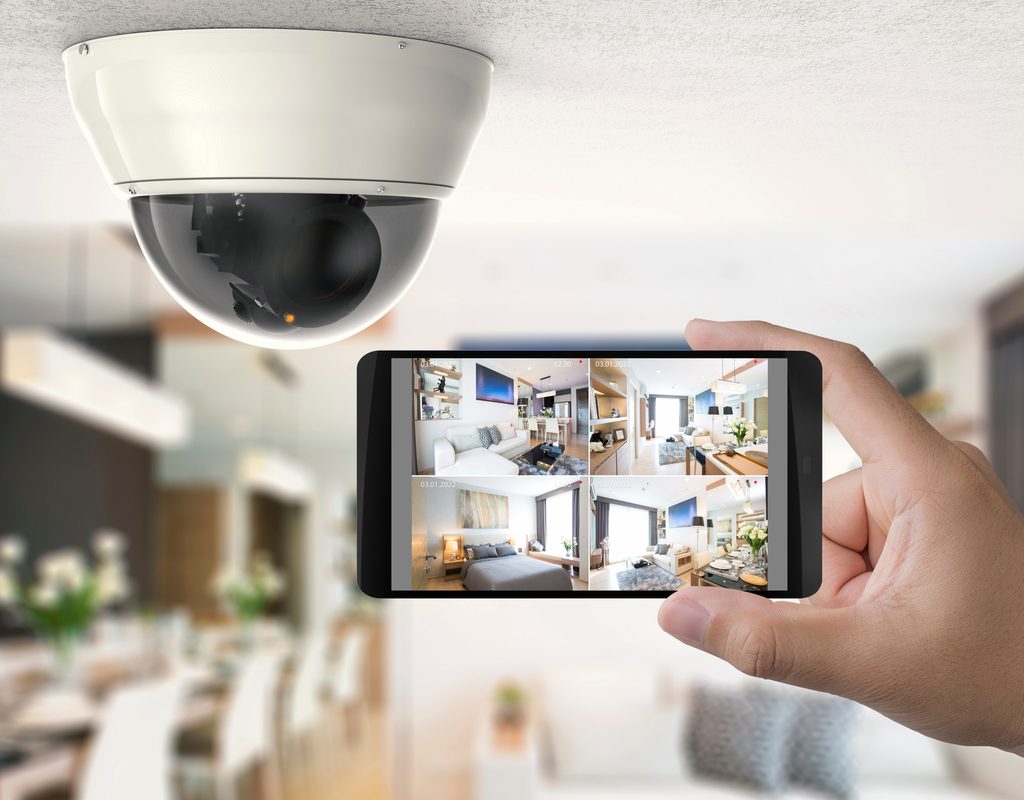
Leased home security system
Some home security companies offer the option to lease a security system. This solution is the best of both worlds since you’ll typically pay little to no money upfront and only the monthly fees for the equipment and monitoring services. While multi-year contracts are typically required, you’ll retain maintenance services and warranties on the equipment for the entire length of the contract, and all of the equipment will be professionally installed. However, the overall cost, in the long run, is higher than both the DIY and upfront purchasing options, and you’ll have to give the equipment back once the contract expires.
Pros:
- Little to no money upfront
- Professional installation
- Includes some maintenance services
- Warranties for the length of the contract
Cons:
- Less customization
- Multi-year contracts
- You don’t own the equipment
- Higher overall cost
Ideal for:
- Renters
- Homeowners thinking about selling
- Those with a low upfront budget
Consider your security needs
When you’re deciding which security system is best for you, think about what fits with your needs, your lifestyle, and your home. Here are some questions to ask yourself:
- What is your budget for your home security system?
- Are you confident in your ability to install all of the devices yourself?
- How long are you planning to stay in your current home?
- Do you feel more comfortable having a professional monitoring service and maintenance services?
- What type of warranty are you comfortable with?
- Do you have unique needs for your home’s security, like additional motion sensors or cameras?
Your home’s security is no joke, and deciding what type of system is right for you can mean the difference between comfort or concern, ease or hassle, and a bargain or a waste of money. If you’re weighing your options between purchasing a home security system, leasing one, or going the DIY route, consider the pros and cons of each type of security system against your home’s unique needs as well as your own budget and preferences. You deserve to have a home security system that makes you and your family feel safe.