Sliding glass doors offer convenient access to your gorgeous patio or backyard, all while adding a splash of style and natural light to your home. While they’re convenient and beneficial to you as the homeowner, many aren’t burglar-proof sliding glass doors, so they’re alluring points of entry for intruders. Due to their convenient, open design, patio doors tend to be less secure than both garage entries and front doors. The good news is, there are some easy ways to secure a sliding glass door and deter or prevent would-be burglars.
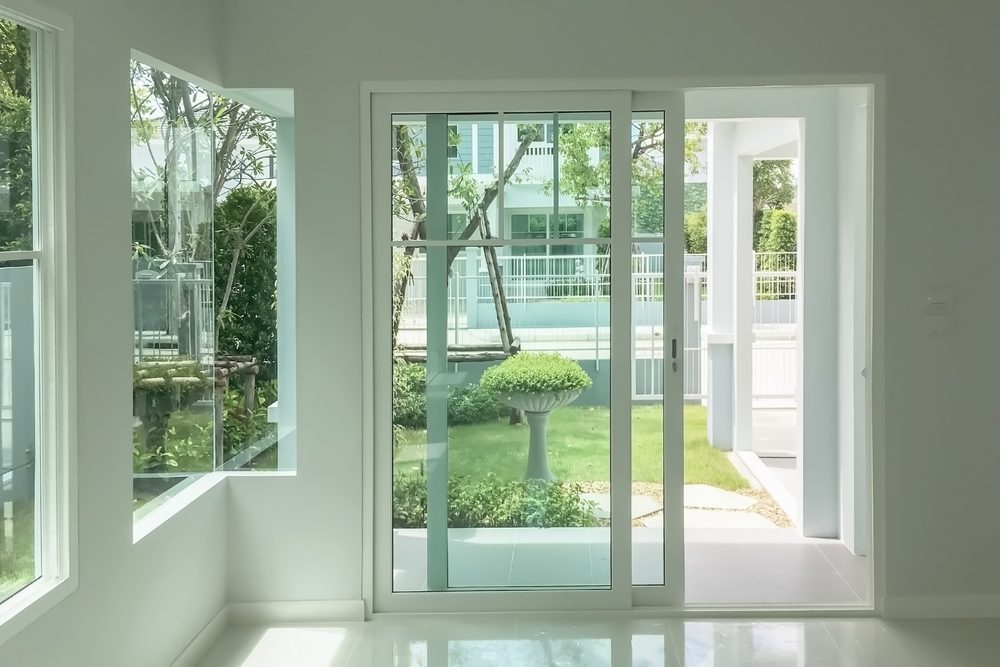
Why are sliding glass doors less secure?
Before adding some security measures to your sliding glass door, it’s important to understand what factors make it less secure than other points of entry. If you’re aware of the weaknesses, you can examine your own door and address these issues head-on.
The latching lock system is easily broken through
The factory-issued lock on most sliding glass doors is not anything close to a standard deadbolt lock. Instead, these doors use a flipping latch lock system that is convenient for users to lock and unlock quickly. Since they’re easy to operate, they’re easy to tamper with.
Sliding doors can be forced off their track
That smooth and quick sliding door is a great feature when you’re trying to come and go with an armful of drinks, but it also makes this entry point less secure. An intruder can easily force the sliding door off of its track and remove it completely.
Glass can be shattered
Glass doors are easily broken. With something as small and simple as a rock, a burglar can gain quick access to your home and quickly grab any valuables in sight. They can be gone with your belongings before you even have a chance to respond to the sound of broken glass.
The door’s location and design invite burglars
Those beautiful glass doors offer lovely panoramic views, but don’t forget that windows work both ways. They also offer tons of visibility into your home from the outside. A would-be burglar can case your home from the outside to see what you own and determine which items are easy to grab and run with.

How to secure a sliding glass door
Before you get too worried about your home’s security, rest easy knowing there are simple and effective solutions to deter and prevent intruders.
Upgrade or add an extra sliding door lock
Since the latching system isn’t all that secure, invest in an upgraded lock. You can replace the factory-issued one at the door’s handle, install an additional sliding door lock at the top of the door, or do both.
Use a security bar
A security bar sits in the bottom track of your sliding glass door, preventing the pane from sliding open. While a simple, thin strip of wood can work in a pinch, an especially forceful intruder can break this makeshift security bar. Instead, invest in a durable, extendable bar that fits securely in your space and can withstand massive amounts of force.
Apply shatterproof window film
While it won’t keep your glass from cracking, shatterproof window film prevents the glass from shattering and creating an opening by holding the pane of glass together. This slows down an intruder and gives you more time to respond and notify authorities, whether you’re in the home or received a security alert while away. Some shatterproof films also offer other advantages like additional insulation in the wintertime, so it’s a worthwhile investment overall.
Take advantage of window treatments
While you probably like to keep the windows on your sliding doors unobstructed so you can enjoy the view, the visibility makes them less secure. Consider covering your windows, particularly during the evening hours, with blinds or curtains to keep out prying eyes.
Upgrade your security system
It’s important to stay vigilant, lock doors, and secure points of entry, but you can’t watch over your entire home 24/7. Give yourself a little help and upgrade your home’s security system. Make sure your system has the following components that are specific to sliding glass doors:
- A glass break sensor to alert you and authorities when the glass breaks.
- A door sensor to notify you when the sliding door opens.
- A motion sensor, particularly installed outside of your sliding glass door, to notify you when there is movement (larger than that from a small animal) outside the door.
With a few security upgrades, you can enjoy the benefits of your sliding glass door and know that it’s secure enough to deter and prevent intruders. Secure this entry point to invite all the sunlight inside — and keep uninvited guests outside.